VAT Rates in Ireland Explained for Small Businesses
VAT rates Ireland explained: 23%, 13.5%, 9%, 4.8%, zero-rated and exempt supplies, the hospitality changes, mixed supplies and worked examples.
- Author
- Abbey Blue Formations
- Published
- Reading time
- 7 min read
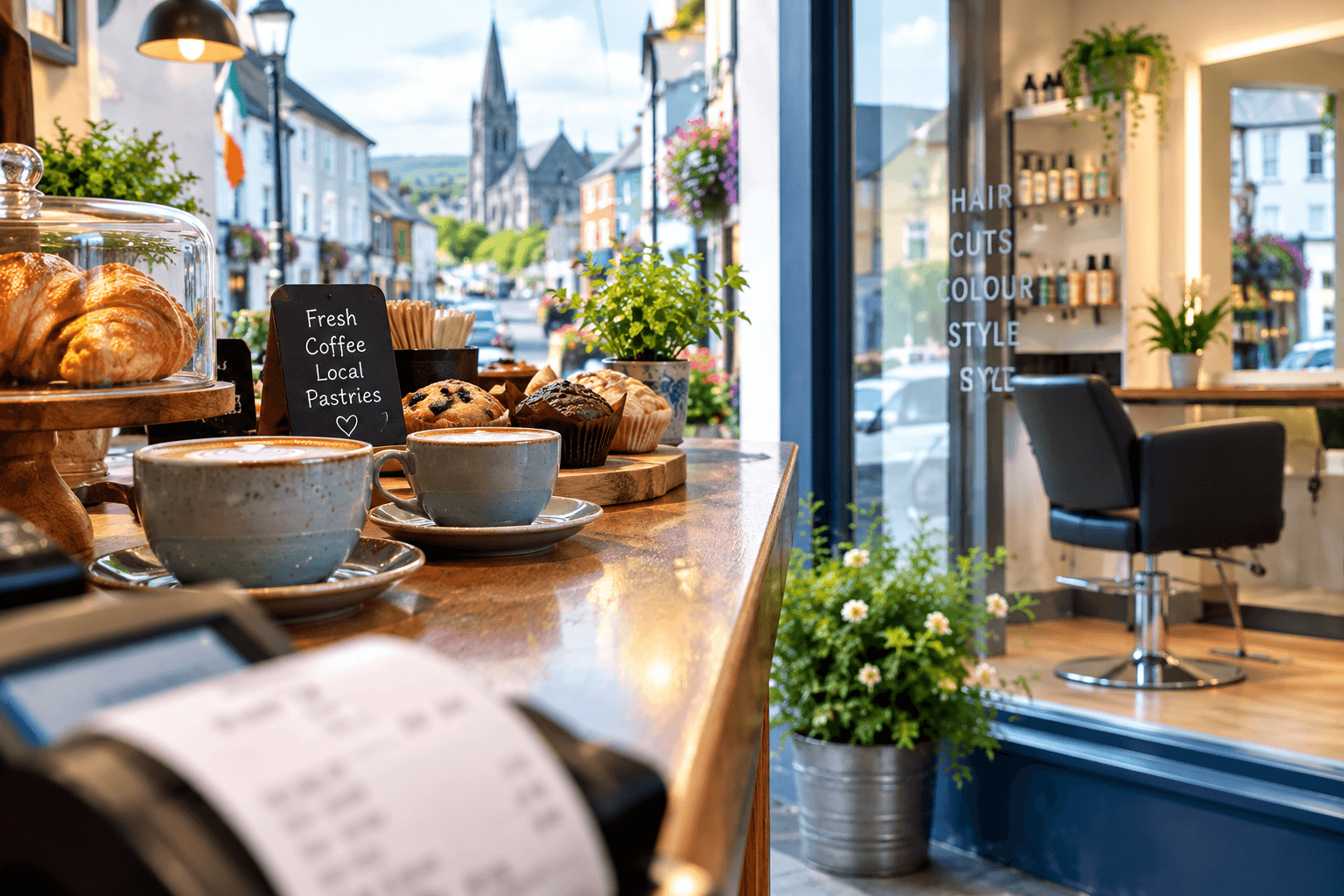
Charging the wrong rate of VAT is an easy mistake for a new business. Undercharge, and the shortfall comes out of your margin. Overcharge, and you are less competitive. Knowing the VAT rates Ireland uses, and which one applies to what you sell, protects both your cash flow and your customers.
This guide sets out each rate, gives everyday examples, explains the recent hospitality changes and covers the tricky area of mixed supplies.
The VAT rates Ireland applies today
Ireland has five rates of VAT, plus supplies that are exempt altogether:
| Rate | Name | Typical examples |
|---|---|---|
| 23% | Standard rate | Most goods and services, e.g. consultancy, solicitor services, furniture, motor vehicles |
| 13.5% | Reduced rate | Hotel and guesthouse lettings, repairs, cleaning and maintenance, certain building services, short-term vehicle hire |
| 9% | Second reduced rate | Restaurant and catering food, hot takeaway food, hairdressing, electricity and gas, newspapers and periodicals, sports facilities |
| 4.8% | Livestock rate | Livestock, and horses normally intended for food production or agriculture |
| 0% | Zero rate | Most food, children's clothing and footwear, books, certain medicines, exports |
| — | Exempt | For example, financial services, insurance, medical care and education |
The starting point is simple: 23% applies unless a specific rule puts your goods or services elsewhere. Remember you can only charge VAT once registered; our guide to VAT registration in Ireland explains the thresholds and timing.
Standard and reduced rates in practice
23% standard rate
Most professional and business services fall here. A web designer, marketing consultant, IT contractor or solicitor charges 23%. So does a shop selling adult clothing, electronics or furniture.
The 13.5% VAT rate
The 13.5% VAT rate covers a mix of labour-heavy services and some goods. Common examples for small businesses include:
- Repair and maintenance services
- Cleaning services
- Certain building services
- Guest and hotel accommodation, including guesthouses, caravan parks and camping sites
- Admission to cinemas, theatres and museums
- Short-term car hire
If you are a tradesperson or run a cleaning company, the 13.5% VAT rate is likely to be your main rate. Building work can be complex where goods make up much of the price, so check your contracts.
VAT rates Ireland hospitality businesses need to know
From 1 July 2026, the second reduced rate of 9% applies to:
- Restaurant and catering services (food and non-alcoholic drinks prepared and served as part of the meal)
- Hot takeaway food, and hot tea and coffee
- Hairdressing services
Before that date, these were charged at 13.5%. Some things did not change:
- Alcohol, soft drinks, bottled water, sports drinks and vegetable juices remain at the standard 23%, even when served with a meal.
- Cold takeaway food remains zero-rated.
- Hotel and guest accommodation stays at 13.5%.
These VAT rates Ireland hospitality businesses charge mean that a single restaurant bill can include three different rates. Your till system must be set up to separate food from drinks correctly.
Zero-rated VAT Ireland, and why it is not the same as exempt
Zero-rated VAT Ireland supplies are still taxable. You charge VAT at 0%, but because the supply is taxable, you can reclaim the VAT on your business costs. Examples include:
- Most basic food (for example, from a grocer)
- Clothing and footwear for children under 11
- Certain books, e-books and audiobooks
- Certain oral medicines
- Exports, and supplies of goods to VAT-registered businesses in other EU countries
Exempt supplies are different. No VAT is charged, but you generally cannot reclaim VAT on the related costs. A business that makes only exempt supplies is not generally entitled to register for VAT at all. If you make both exempt and taxable supplies, you can only reclaim VAT relating to your taxable activities.
In short, zero-rating is usually good for your cash flow; exemption can make VAT a real cost.
Mixed supplies: when one sale has more than one rate
Many small businesses sell bundles: a meal with a drink, a hotel room with breakfast, a product with installation. The rules depend on the situation, but two examples are common.
Meal deals. Where a combined price covers items at different rates, such as a hot meal and a soft drink, the price (and any discount) is apportioned between the items, each at its own rate. You cannot apply one blended rate to the whole deal.
Accommodation packages. Accommodation and food supplied together are treated as separate supplies. If you charge one all-inclusive price, split it fairly between the accommodation at 13.5% and the food at 9%.
Every sale needs the correct rate from the start, not a guess at return time. Our article on the e-invoicing mandate and VAT modernisation explains why accurate invoices will matter even more.
Getting your VAT right from day one
Our VAT and tax registration service handles the application for you. Once registered, rates feed straight into your returns; our guide to your first VAT return (VAT3 and RTD) shows how the figures come together.
The simplest way to stay on top of multiple rates is monthly bookkeeping. Our fully online bookkeeping and accounting packages cover VAT coding, VAT returns and year-end accounts.
Frequently Asked Questions
What are the main VAT rates in Ireland?
The main VAT rates Ireland uses are 23% (standard), 13.5% (reduced), 9% (second reduced), 4.8% (livestock) and 0% (zero rate). Some activities, such as financial services, insurance, medical care and education, are exempt. Most goods and services are charged at 23% unless a specific rule applies a lower rate.
What does the 13.5% VAT rate apply to?
The 13.5% VAT rate applies to services such as repairs, cleaning and maintenance, certain building services, guest and hotel accommodation, short-term car hire and admission to cinemas, theatres and museums. Restaurant and catering food, hot takeaway food and hairdressing moved from 13.5% to 9% on 1 July 2026.
What VAT rate do restaurants and cafés charge?
From 1 July 2026, restaurant and catering food, hot takeaway food, and hot tea and coffee are charged at 9%. Alcohol, soft drinks and bottled water stay at 23%, and cold takeaway food is zero-rated. These VAT rates Ireland hospitality businesses apply mean food and drinks must be recorded separately at the till.
What is the difference between zero-rated and exempt?
Zero-rated VAT Ireland supplies are taxable at 0%, so you can register for VAT and reclaim VAT on your costs. Exempt supplies are outside the charge, so you generally cannot reclaim the VAT on related costs. For a small business, this difference can have a significant effect on margins.
What if I charge the wrong VAT rate?
If you undercharge, Revenue can collect the shortfall from your business, and you may not be able to recover it from your customer. If you overcharge, customers pay more than necessary. Check rates when you set up invoicing and review them when rules change.
Start with the right structure and the right records
Whether you are opening a café, starting a trade or launching a consultancy, we can form your company, register it for VAT and keep your books accurate across every rate. Click here to use our free Formation Calculator and get your setup costed in minutes.